Mitzvah celebrations abroad: meaningful family trips

TL;DR:
Celebrating a Mitzvah abroad deepens spiritual connection and strengthens family bonds.
Israel is the primary destination, offering extensive historical and religious significance for ceremonies.
Advanced planning, personalized activities, and expert guidance ensure a meaningful, memorable experience.
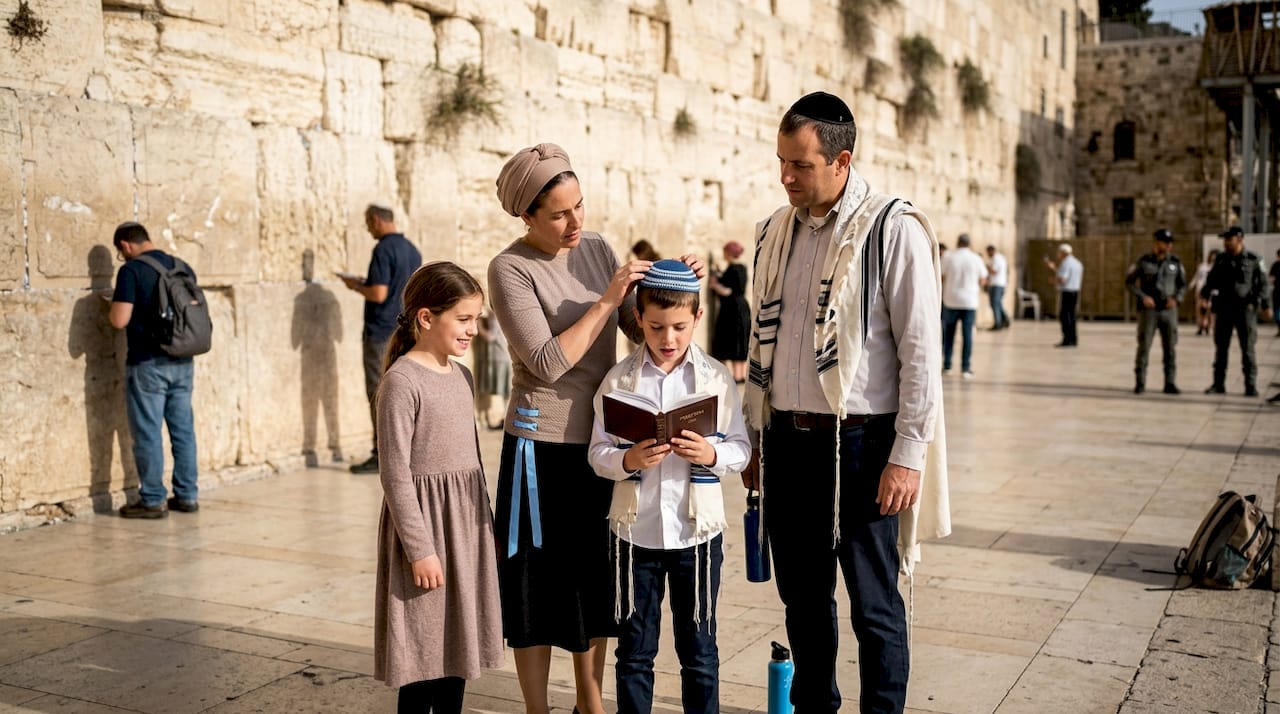
Most families assume a Bar or Bat Mitzvah happens close to home, surrounded by the same synagogue walls where their child has practiced every Torah portion. But a growing number of Jewish families across the US are flipping that script entirely. They’re traveling to Israel or historic Jewish sites in Europe to mark this milestone in a way that goes far beyond any catered hall. The result? A celebration that families describe as the most meaningful experience of their lives, not just their child’s.
Table of Contents
Key Takeaways
Point | Details |
Plan well in advance | Start organizing 9-12 months prior to ensure availability and smooth arrangements. |
Israel is the top destination | Most families celebrate in Israel, but unique experiences are also possible in Europe. |
Personalization matters | Tailor the celebration to balance spirituality, adventure, and family interests for maximum meaning. |
Professional help reduces stress | Experienced planners can handle logistics and create a smoother, more memorable trip. |
Why celebrate a Mitzvah abroad?
When you step back and think about what a Bar or Bat Mitzvah actually represents, celebrating it in a place of deep historical and spiritual significance makes complete sense. This isn’t just a party. It’s a child’s formal entry into the Jewish people, a tradition that stretches back thousands of years. Marking that moment at the Western Wall, overlooking ancient Jerusalem, or at a historic European synagogue connects your child to that broader story in a way no local venue can replicate.
Families who celebrate abroad consistently report three core benefits:
Spiritual depth: Standing at a site with centuries of Jewish prayer woven into its stones creates an emotional resonance that simply can’t be manufactured elsewhere.
Family bonding: Shared adventures, unfamiliar cities, and meaningful moments build stronger family memories than any single evening event.
Lifelong perspective: Children who celebrate in Israel or Europe return home with a sense of Jewish identity that feels personal, not inherited.
As one family shared after their Bar Mitzvah in Jerusalem: “Our son didn’t just read from the Torah. He understood why it mattered. The land made it real for him.”
Israel is the clear frontrunner for these trips. Sites like the Western Wall and Masada carry spiritual significance found nowhere else on earth. But some families do look further afield. Europe offers rare and deeply moving alternatives, from synagogues in Prague to Jewish heritage sites in Krakow and Paris. These destinations are less established for Mitzvah celebrations, but European heritage tours show it is absolutely possible for families willing to customize their journey.
The emotional milestone of a Bar or Bat Mitzvah is amplified when the setting itself carries weight. Travel strips away the noise of everyday life and forces families to be fully present together. That shared presence is something you truly can’t put a price on.
Core destinations: Israel and beyond
With a sense of why celebrating abroad matters, it’s worth getting practical about where families actually go. Israel remains the undisputed center for these celebrations, but understanding the full landscape helps you choose what fits your family best.
Israel offers the richest combination of spiritual, historical, and adventure experiences. Jerusalem, with the Western Wall at its heart, is where most ceremonies take place. The Western Wall’s significance as a Bar/Bat Mitzvah destination is unmatched globally. Beyond Jerusalem, families explore Masada, the Dead Sea, Tel Aviv’s vibrant food scene, and the Galilee region.
Europe is a less-traveled road for US families but offers genuinely moving experiences. Prague’s Josefov quarter, Krakow’s Kazimierz neighborhood, and Parisian synagogues offer historic Jewish heritage settings that carry their own profound meaning. These are particularly powerful for families with Eastern European roots.
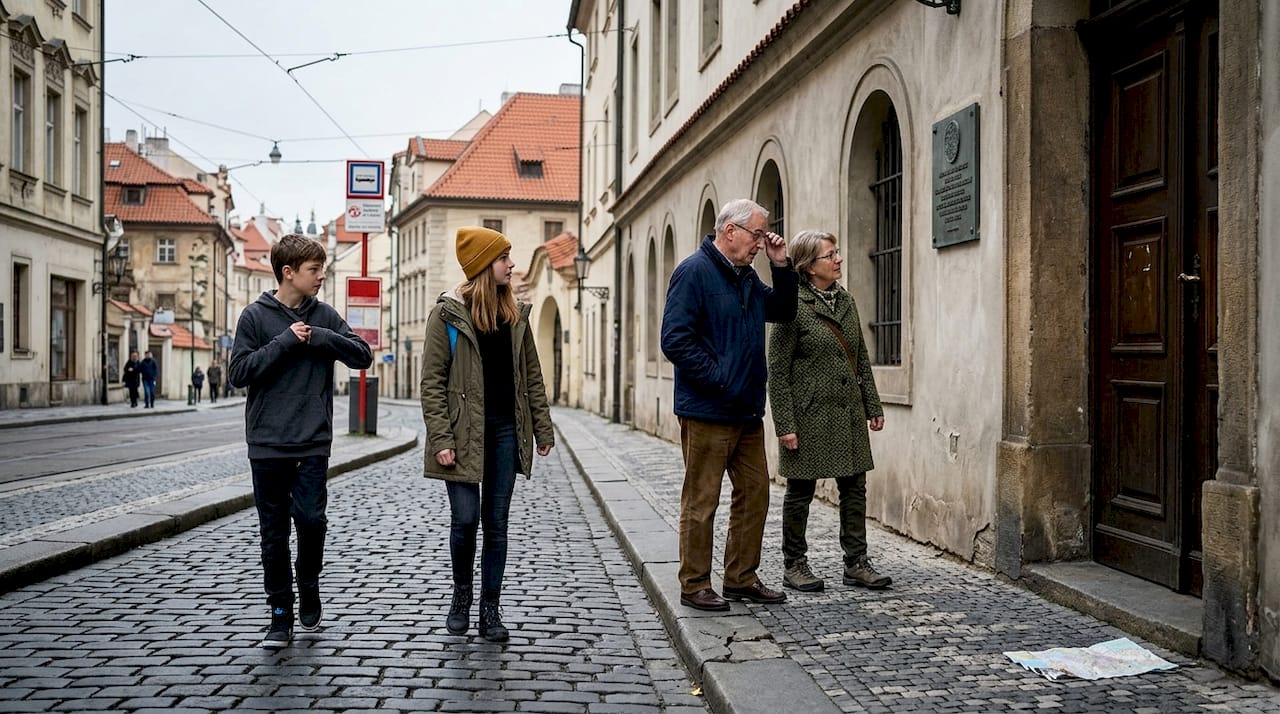
Here’s a quick comparison to help frame your decision:
| Factor | Israel | Europe | |—|—|—|—| | Spiritual significance | Very high | Moderate to high | | Family-friendly activities | Abundant | Moderate | | Jewish identity connection | Direct, immersive | Historical, reflective | | Infrastructure for Mitzvahs | Well-established | Limited but available | | Travel complexity | Moderate | Higher | | Food options (kosher) | Widely available | Limited in some cities |
For most families, Israel is the natural first choice. The infrastructure for Mitzvah ceremonies is deeply established, kosher food is widely available, and the variety of experiences means every family member finds something meaningful. Browse the Mitzvah tour options in Israel to get a concrete sense of what a full itinerary looks like.
For families with specific ancestral connections to European Jewish communities, adding a heritage stop in Prague or Krakow to an Israel trip can create a profoundly layered experience.
Planning essentials and expert advice
Once you’ve chosen a destination, planning becomes the critical next step. A Mitzvah celebration abroad involves far more moving parts than a local event, but none of it is overwhelming when you start early and stay organized.
Here’s a practical planning timeline to follow:
9-12 months before: Lock in your destination, begin researching tour operators and professional planners, and set your overall budget. Securing venues and rabbis this far ahead is essential. Planning 9-12 months out gives you the widest selection of dates, venues, and pricing.
6-9 months before: Confirm your tour operator or planner, book the ceremony venue, and lock in your rabbi. Begin coordinating with extended family who may be joining.
3-6 months before: Book flights. This window tends to offer good pricing while keeping flexibility. Finalize your itinerary and discuss customizations with your planner.
1-3 months before: Confirm all logistics, arrange travel insurance, and prepare your child with any local customs or Hebrew practices specific to the venue.
Final weeks: Pack thoughtfully, brief your family on the schedule, and trust your planner to handle the details.
Pro Tip: Private tours cost more than group tours, but they allow you to pace every day around your family’s energy levels and ages. Professional planners also handle rabbi permits and ceremony logistics, which removes enormous stress from your plate.
Working with experienced specialists makes a real difference. When you explore meaningful Israel itineraries designed specifically for Bar and Bat Mitzvah families, you’ll notice how each element is thoughtfully sequenced to build emotional momentum. For a full picture of what’s included, the Bar Mitzvah tour details page walks you through every aspect.
Adapting the trip to different family ages is also critical. Grandparents need a different pace than teenagers. A good planner accounts for this from day one.
Balancing spirituality, adventure, and family connection
Practical planning is essential, but the real question is how you design a trip that feels meaningful for every person in your family, from your soon-to-be Bar or Bat Mitzvah child to grandparents seeing Israel for the first time.
The best trips weave together three distinct threads: spiritual moments, historical exploration, and genuine adventure. Here’s how different activity types fit into that framework:
Activity type | Examples | Who benefits most |
Spiritual | Western Wall ceremony, Yad Vashem, synagogue visits | All ages |
Historical | Masada, City of David, Old City tour | Older children, adults |
Adventure | Jeep tours, Dead Sea float, rappelling, kayaking | Teens, younger children |
Cultural/food | Shuk Mahane Yehuda, cooking classes, street food tours | All ages |
A well-structured trip balances all four areas, not just the ceremony itself. Kids who are passionate about history will love a sunrise climb at Masada. Kids who crave action will remember adventure sports in Israel long after returning home.
Some practical ideas for involving every family member:
Let your child choose one activity that reflects their personal interests.
Build in downtime. Overpacked schedules leave everyone exhausted and emotionally flat.
Create a shared journal or photo project during the trip so younger siblings feel involved.
Plan a group dinner in a special setting as a unifying moment for the whole family.
Pro Tip: If your child is passionate about something specific, such as archaeology, music, or cooking, ask your planner to weave a related activity into the trip. For a full framework on designing experiences around your family’s interests, the planning adventure for Mitzvah trips guide is a great resource. You can also explore experiential travel in Israel to understand the different formats available.
A personal perspective: Beyond the checklist
After more than 20 years planning Mitzvah trips, we’ve noticed a pattern. The families who report the most meaningful experiences aren’t necessarily the ones who spent the most. They’re the ones who thought most carefully about why they were going.
There’s a tendency to treat an abroad Mitzvah as a status event, a way to impress guests with an exotic backdrop. But authenticity consistently outperforms extravagance. A quiet ceremony at the Western Wall at dawn, with just your immediate family present, can move people more deeply than an elaborate dinner at a luxury hotel.
The real question to ask yourself isn’t “What will look impressive?” It’s “What will matter to our family in 20 years?”
Group tours offer structure and safety, especially for first-time visitors, while private tours allow genuine personalization. As family tour experts note, both models work well when matched to the right family. The key is being honest about what your family actually values.
When arranging family activities, focus on moments over milestones. The checklist matters, but it’s the unplanned conversations at a Shabbat table or the shared silence at Yad Vashem that families talk about for decades.
Ready to plan your family’s unforgettable journey?
You now have a clear picture of what celebrating a Mitzvah abroad involves, from choosing a destination to designing each day with intention. The next step is turning that vision into a real itinerary.
At Bnei Mitzvah, we specialize in making this process feel exciting rather than overwhelming. Browse our planned Bar/Bat Mitzvah tours to see complete itineraries, or explore specific Bar Mitzvah tour options tailored to your family’s needs. When you’re ready to talk, visit Bnei Mitzvah and connect with our team. We’ll handle every detail so you can simply show up and be present for the moments that matter most.
Frequently asked questions
How far in advance should we start planning a Bar/Bat Mitzvah abroad?
Start planning 9-12 months in advance to secure venues, rabbis, guides, and the best pricing for flights and accommodations.
Is Israel the only option for celebrating a Mitzvah abroad?
Israel is the most established destination, but families can also find meaningful ceremonies at Jewish heritage sites in European cities like Prague, Krakow, and Paris.
What balance of religious, historical, and fun activities is ideal?
A personalized mix works best. Spiritual moments, historical exploration, and family-friendly adventure all contribute to a trip that resonates with every generation.
Is it better to use a professional planner or organize the celebration ourselves?
Professional planners reduce stress significantly by handling rabbi permits, venue logistics, and pacing, especially for private or fully customized trips.
Recommended
Comments